

Climate Justice
Learn more about our intersectional view of climate justice, centring those most affected by it
Building climate justice
The communities hit the hardest by the climate crisis are also the communities that lack safe housing and healthy living conditions, face racial discrimination, and cannot afford their medical expenses. This convergence of crises disproportionately harms Europe’s most marginalised communities. Yet, climate work in Europe remains largely non-intersectional, dominated by white, middle-class perspectives that shape priorities in policy, activism, and litigation.
Our work responds directly to this gap. In our Europe-wide community consultation in 2022, we centred community activists who are typically excluded from mainstream climate spaces. They identified clear priorities for action: ensuring accountability for climate injustice, advancing redistributive reparations, directing resources to the communities most affected, and documenting disproportionate health and environmental harms. Our 2023–2024 consultations reaffirmed these needs and deepened our understanding of the challenges communities face.
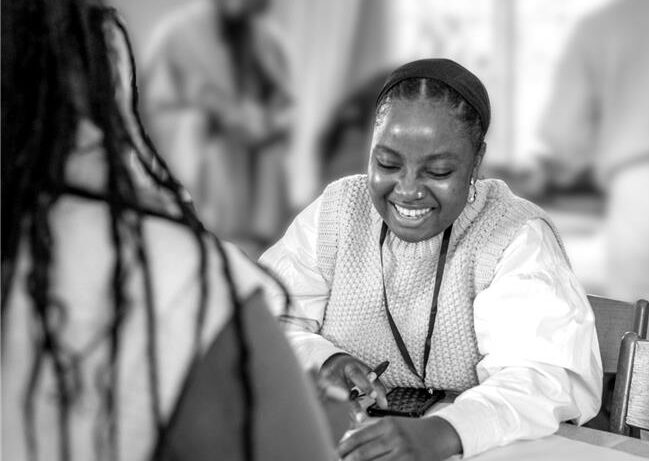
Photo: Reclaiming Climate Justice Summit participant / Steven Pieternella
Building on this foundation, we are developing litigation projects with affected communities and strengthening connections among organisations and movements to co-create cases that genuinely serve their goals.
At the same time, we are working to build collective knowledge and power around litigation by offering resources, workshops, and trainings to support communities in deciding whether litigation is right for them.
A key part of this effort is our Community Toolkit for Change, a free resource available in multiple languages.
Grounded in our ongoing commitment to centre marginalised communities in our climate justice work, we undertook the Black, Indigenous, and People of Colour-led (BIPOC) power for climate justice initiative in 2023-2024. This initiative brought together BIPOC-led groups and youth initiatives to shape a shared vision for climate justice. Learn more about projects that came out of this initiative below.
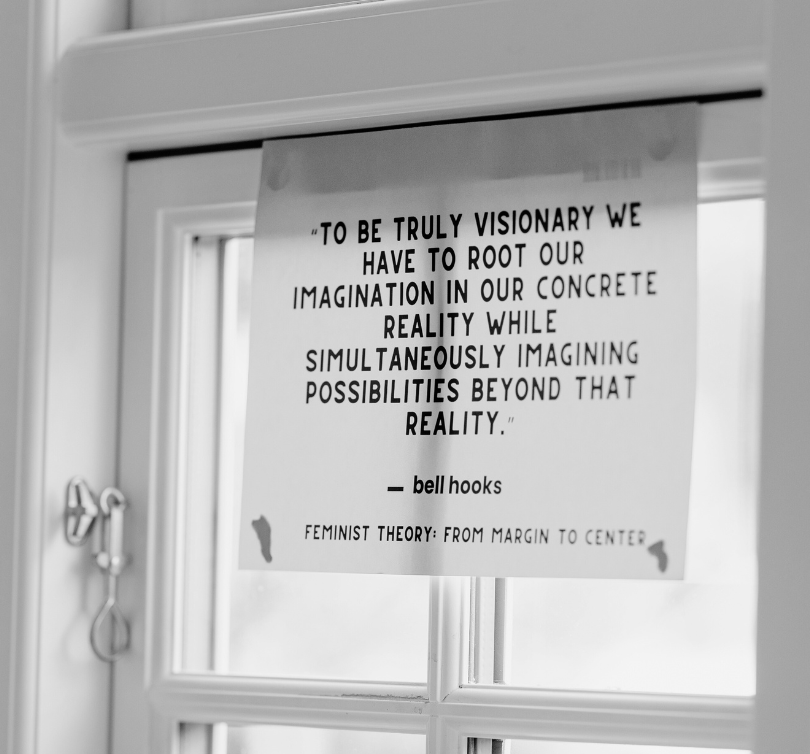
Photo: Reclaiming Climate Justice Summit poster / Steven Pieternella
Reclaiming climate justice summit
We convened BIPOC leaders in Europe’s climate justice space for a summit to build a positive vision for climate work that responds to the intersecting and disproportionate harms BIPOC communities face as a result of the climate crisis.
Reframing Climate Justice, a BIPOC-led speaker series
Through our five-part speaker series, we brought together BIPOC organisers, thinkers, and artists from across Europe to tell a different story: one that recognises the present-day realities of racial, social, and economic injustice, and the community-driven action being taken to address them.
Whose Planet? The Climate Justice Podcast
A three-part series, the podcast explores the intersectional realities of the climate crisis and amplifies the voices of the most impacted by it. Each episode addresses a crucial aspect of the climate crisis.