

Whose Planet? The climate justice podcast
Hear personal stories and in-depth interviews centring the experiences of those most impacted by the climate crisis
Building BIPOC power for climate justice
The climate crisis is not an abstract threat – and its impacts are far from equal. Black people, people of colour, and indigenous (BIPOC) communities feel its effects the most.
Worsening air quality, rising sea levels, and the green energy transition disproportionately affect society’s most vulnerable groups. These communities often lack the power to influence decision-making, but continue their fight: from Bonaire to London and other parts of the world
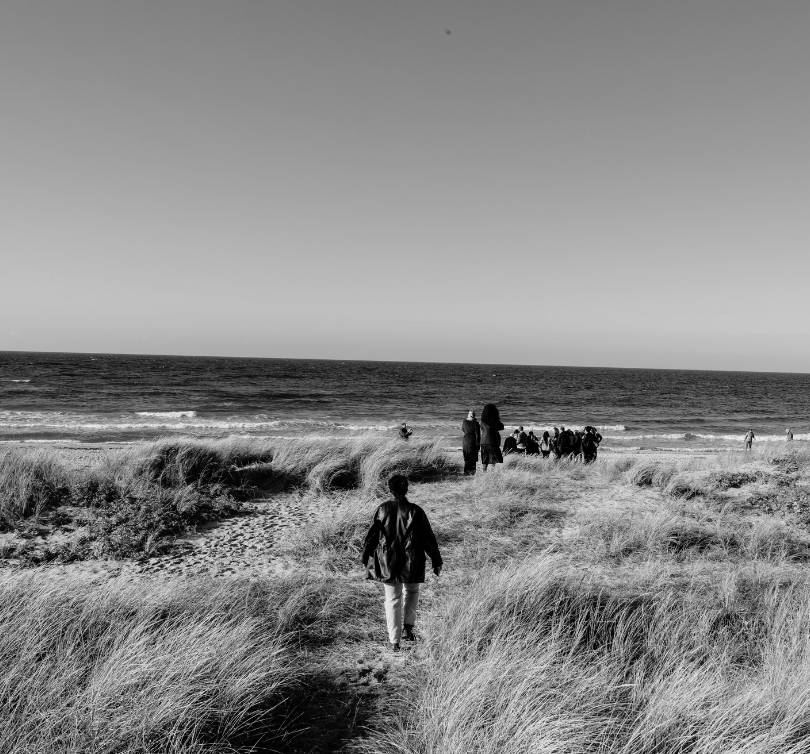
Photo: Reclaiming Climate Justice Summit participants / Steven Pieternella
Whose planet? The climate justice podcast addresses a crucial aspect of the climate crisis in each episode. We start with the struggle for clean air across Europe, shining a light on grassroots campaigns that confront the harsh realities of air pollution, where poverty, race, and class intersect, creating significant challenges for activists.
Next, we explore island communities facing the immediate threat of rising sea levels, exposing the devastating consequences of climate-induced displacement and the urgent need for global accountability.
In the last episode, we examine the green energy transition, investigating its unintended effects on marginalised communities and underscoring the importance of placing justice at the heart of sustainable policy-making.
Subscribe now to be part of the conversation and stay informed on how communities worldwide are fighting for their planet—and ours.
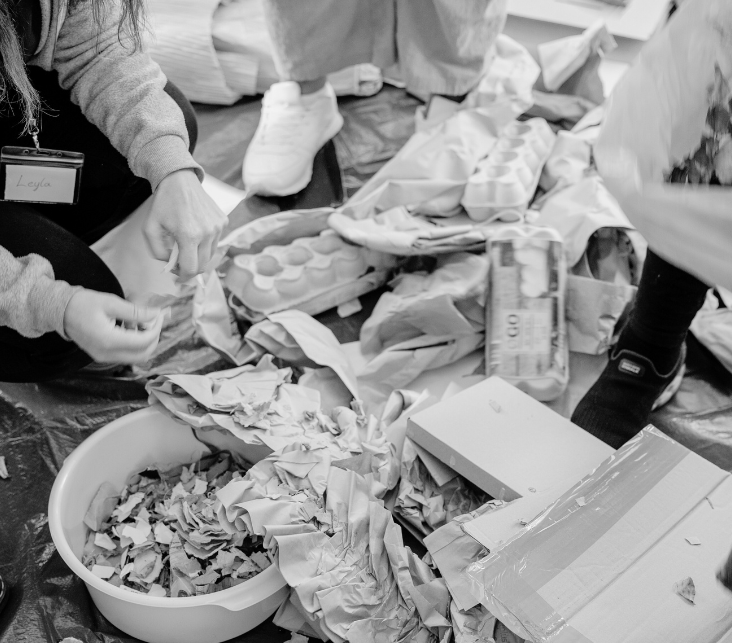
Photo: Reclaiming Climate Justice Summit participants workshop / Steven Pieternella
More resources
BIPOC-Led Speaker Series
When it comes to the climate crisis, one of the movement’s dominant narratives is that it will affect future generations. Yet marginalised communities are already affected. Through our five-part speaker series, we brought together BIPOC organisers, thinkers, and artists from across Europe to tell a different story.
Community Reports
Our community reports are rooted in the extensive community consultations we conducted in 2022 and then in 2023-2024. We undertook this process as part of our work to ensure our focus, approach, and strategies are guided by community-identified needs.